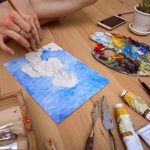
Watercolor Becomes Clearer When You Study What The Water Does
The AquaPalette approach begins with observation: how pigment spreads on wet paper, how a brush releases water, and how edges change as a wash dries. These small details make later painting decisions easier to understand.
Instead of rushing toward detailed finished pieces, practice separates washes, values, color mixtures, and edge control into focused studies. The aim is to recognize what caused a bloom, a dry patch, or a muddy mixture and adjust the process with fewer unnecessary corrections.
Build Each Painting From Large Shapes To Final Accents
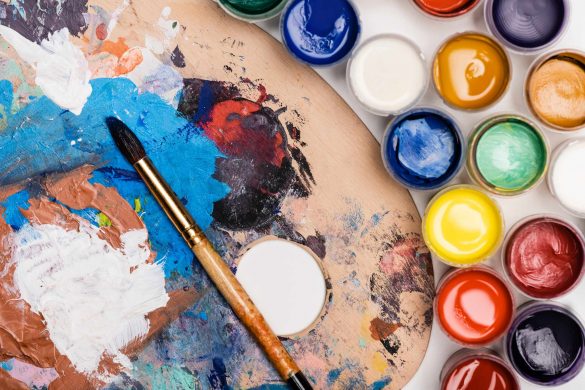
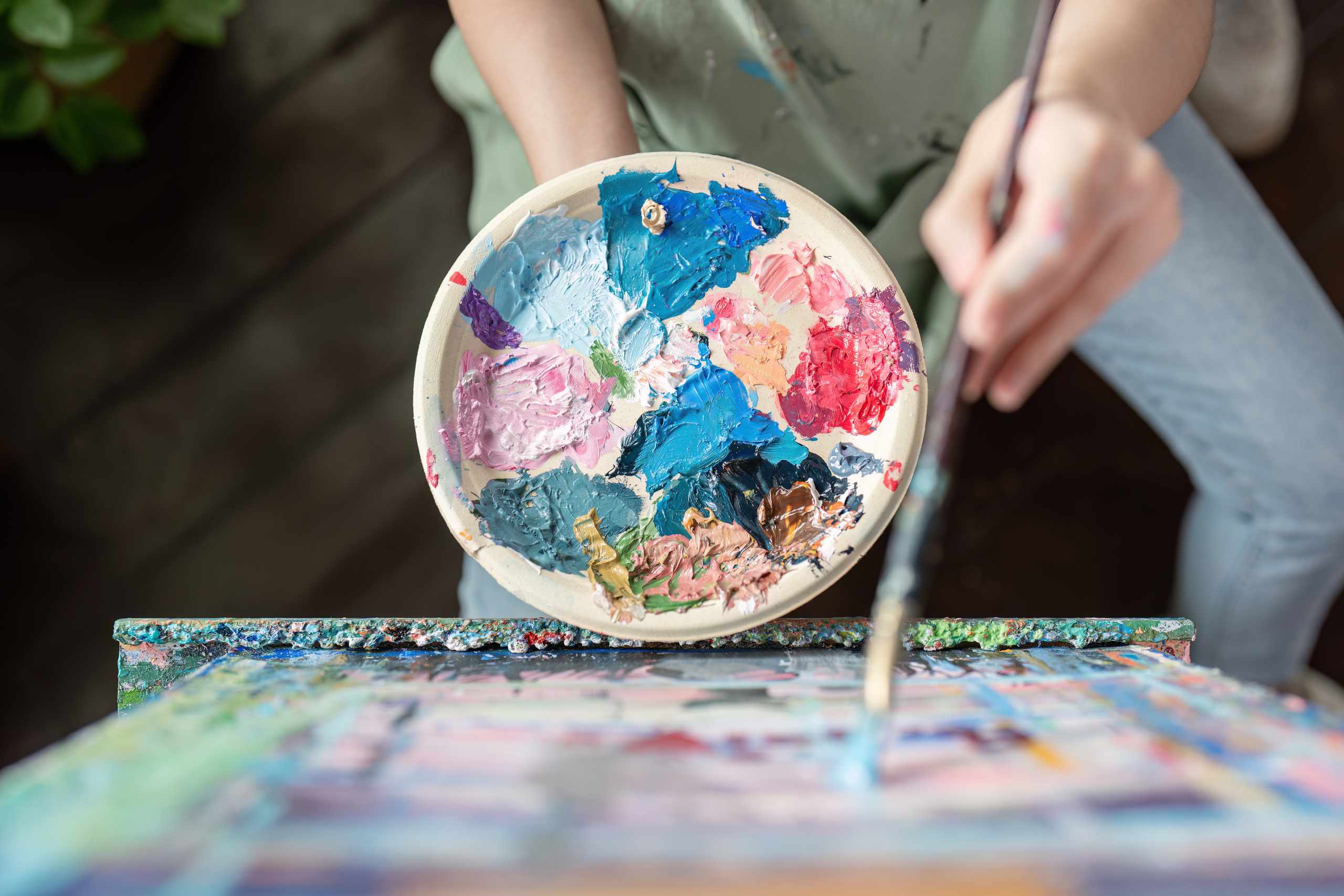
A simple reference becomes easier to paint when it is reduced to large shapes and a few clear values before small details appear.
From there, transparent layers, preserved highlights, and selective hard or soft edges can be added with enough drying time between washes.
Practice One Watercolor Problem At A Time
Use small studies, wetness tests, value exercises, and color swatches to understand each technique before combining several decisions in one painting.
What Practice Can Feel Like
These reflections focus on practical watercolor difficulties such as brush load, paper moisture, color mixing, and knowing when to leave a wash alone.
I used to keep touching every wash because I thought uneven areas needed fixing immediately. Practicing paper moisture and drying time helped me notice when another brushstroke would improve the shape.

Ryoma Kono
Color mixing started to make more sense once I tested two pigments on scrap paper instead of mixing inside the painting. My palette feels less muddy, and I pay more attention to dilution before loading the brush.

Megu Kudo
Working with large shapes first changed how I approach a reference. I spend less time chasing tiny details at the beginning and more time checking values, highlights, and whether an edge should stay hard or soften.

Kotoha Kawabata